
Beer Pong Rules: The Complete Guide to Dominate the Table
 Redacted by Adrien Blanc
Beer pong is the undisputed king of party drinking games. Whether you're hosting a pregame, a house party, or a tailgate, knowing the rules keeps the game fun and argument-free. This guide covers everything from standard setup to the most popular house rules and variations. And when the table is packed or you want to switch things up, digital drinking games can keep the party going with zero setup required.
Alcohol abuse is dangerous for your health. Please drink responsibly.
What is beer pong?
Beer pong is a drinking game where two teams take turns throwing ping pong balls across a table, aiming to land them in the opposing team's cups. When a ball sinks, the defending team drinks and removes the cup. The first team to eliminate all opponent cups wins. Simple concept, endless entertainment.
The game originated in the 1950s-60s at Dartmouth College. Some people call it "Beirut" to distinguish it from the paddle-based version that came first. But let's be honest, most people just call it beer pong regardless of the origin story. Over the decades, it's evolved into the most iconic drinking game worldwide. You'll find it at college parties, backyard barbecues, and even professional tournaments with cash prizes.
What do you need to play beer pong?
Here's your materials checklist:
- 22 plastic cups (20 for play + 2 rinse cups)
- 2 or more ping pong balls (grab extras, they roll away constantly)
- A long table (standard is 8ft x 2ft, but honestly any table works)
- Beer or beverage of choice
- Water for rinse cups
Player count is typically 2v2, though 1v1 works too if you've got a smaller crowd. Playing one-on-one? Beer pong is a staple of our drinking games for 2 players. And here's the thing: you don't need to use beer. Non-drinkers can play with water or juice. The game is fun regardless of what's in the cups. The competitive element and trash talk are what make it entertaining.
How to set up beer pong
Setting up is straightforward. Follow these steps and you'll be ready in under two minutes:
- Place your table on a flat surface where spills won't cause drama
- Arrange 10 cups per side in a triangle formation: 4-3-2-1, with the front cup at the table edge
- Fill cups with your beverage of choice (standard: about 2 beers split across 10 cups, so roughly 1/5 full each)
- Place a rinse cup of water on each side of the table
- Grab your ping pong balls
That's it. You're ready to play. The triangle setup is key because it creates the tight formation that makes the game challenging. Space cups so they're touching but not overlapping.
Beer pong rules: How to play
Let's break down the core rules step by step. These are the standard rules most people follow, though house rules can modify them (we'll get to those later).
Deciding who goes first
The classic method is "eye-to-eye." Both teams pick one player. At the same time, while maintaining eye contact with their opponent, they shoot for cups. If both make it or both miss, you go again. First team to sink theirs while the other misses goes first. Some people do rock-paper-scissors instead. Either works.
Taking your shots
Each team shoots twice per turn, one shot per player. When you throw, your elbow must stay behind the edge of the table. This is the elbow rule, and it's the most argued-about rule in beer pong. Some groups enforce it strictly, others let it slide. Decide before you start.
Both feet must stay on the ground when shooting. No jumping or leaning over the table. Use an arc shot for accuracy, launching the ball in a gentle parabola toward the cups.
When a ball lands in a cup
If your ball lands in a cup (and stays there), the defending team has to drink the contents and remove that cup from the formation. Play then passes to the other team. The cup is out for the rest of the game. As cups disappear, the formation gets tighter and trickier.
Balls back
Here's where things get interesting. If both teammates sink their shots in the same turn, they get the balls back for a bonus round. They keep shooting until one of them misses. A hot streak can completely flip a game. This rule rewards consistency and creates those epic comeback moments.
Bounce shots
You can bounce the ball off the table and into a cup. If you make it, that's worth two cups, the one you hit plus another of the defending team's choice. But there's a catch: defenders can swat away any ball that's touched the table. Direct arc shots can't be blocked. Bounce shots are high risk, high reward. Use them strategically when opponents aren't paying attention.
Re-racking
Each team gets two re-racks per game. This means you can request the cups be rearranged into a tighter formation. Common re-rack formations include diamond (4 cups), triangle (3 cups), or a straight line (2-3 cups). Most people re-rack at 6 and 3 cups remaining, but you can request it at 4 or 2 as well. Re-racking makes aiming easier as the game progresses and cups spread out.
Redemption and overtime
When one team sinks the last cup, the game isn't necessarily over. The losing team gets redemption (also called rebuttal). Each player shoots until they miss. If they clear all remaining cups without missing, the game goes to overtime. Overtime is typically a 3-cup triangle setup, winner takes all. No re-racks in overtime.
The most popular beer pong house rules
House rules are where beer pong gets personal. Every group has their favorites. Agree on which rules you're using before the first throw to avoid arguments mid-game. Here are the most common ones:
Island (Iso) rule
If a cup isn't touching any other cup, you can call "island" before shooting. If you sink that specific isolated cup, two cups are removed. But if you miss or hit a different cup, your shot doesn't count at all. Most groups limit this to once per game per player. It's a power move that can shift momentum fast.
Death cup
If a player is holding a cup they haven't finished drinking yet and the opposing team sinks a ball in it, the game ends instantly. The team that made the shot wins. This rule punishes slow drinkers and creates chaos. Some groups love it, others think it's too chaotic. We've found that it keeps the pace moving.
Heating up / On fire
Make two shots in a row and you're "heating up." Make three in a row and you're "on fire," which means you keep shooting until you miss. This is a controversial rule because it can extend games significantly, but it creates highlight-reel moments. If your group likes momentum swings, this rule delivers.
Fingering and blowing
When the ball spins around inside a cup rim without fully sinking, defenders can try to flick it out with a finger or blow it out before it drops. This must be agreed on before the game because not everyone likes the added interaction (and yes, the names are intentionally ridiculous). If you allow it, defenders can't touch the ball until it's inside the cup rim.
Celebrity shot
If a player is having a rough game, they can call in a bystander to take one shot for them. The celebrity (a non-player) steps up and shoots. Most groups limit this to once per game. It's a mercy rule that also involves spectators, which can be hilarious depending on who you call in.
Rollback trick shots
If you shoot and the ball rolls back to your side of the table without touching the ground, you get a bonus trick shot. You have to take it behind-the-back, under-the-leg, or with some other creative flourish. It doesn't count for extra cups if you make it, but it's a fun morale boost. Honestly, these shots rarely go in, but when they do, the celebration is worth it.
Beer pong tips and strategy
Want to improve your game? Here are some practical tips that actually work:
Aim for the back cups first. They're harder for defenders to swat and breaking the back row disrupts the formation. Front cups are tempting but they leave the back row intact.
Use a consistent throwing arc. Find a release point that works for you and repeat it. Consistency beats power. You're not trying to throw hard, you're trying to throw accurately.
Communicate with your teammate about re-rack timing. Don't waste both re-racks early. Save one for the endgame when you're down to 2-3 cups and need that tight formation.
Use bounce shots strategically. When opponents are distracted, celebrating, or arguing, sneak in a bounce shot. They won't see it coming and you'll score two cups.
Stay hydrated between rounds. Alternate beer cups with water. Beer pong is a marathon, not a sprint. You want to stay sharp for multiple games.
Agree on house rules before the first throw. Most beer pong arguments happen because someone assumes a rule that wasn't established. Take 30 seconds at the start to confirm elbow rule, bounce shots, and any house rules you're using.
When should you play beer pong?
Beer pong works best at pregames, house parties, tailgates, barbecues, college gatherings, and game day events. It's ideal for groups of 4-8 people where teams can rotate. The game has natural downtime between turns, which keeps it social and allows for conversation.
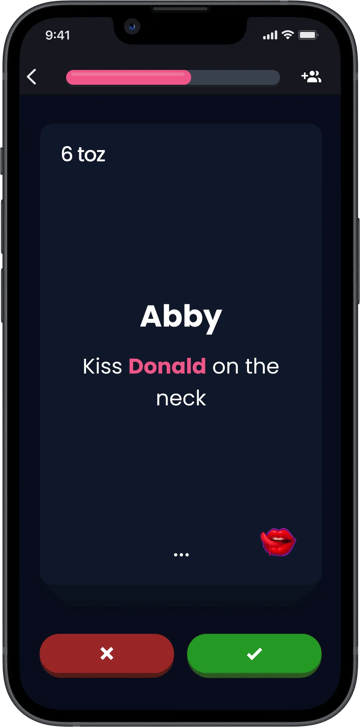
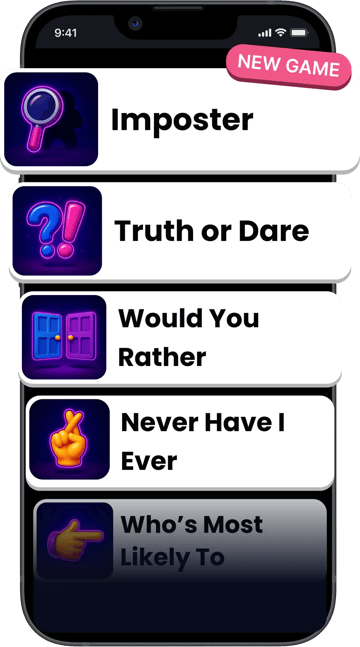
It's less ideal for huge parties where space is limited or for quiet gatherings. You need table space, tolerance for noise, and a group that's in the mood for competition. When you don't have a table or want to switch things up, digital drinking games keep the party going without any setup or cleanup. TOZ you can play straight from your phone, perfect for when the beer pong table is occupied.
You Bring the Drinks, We Bring the Games 🍻
Dozens of drinking game modes in one app. Zero setup, zero cleanup, and it works even when the wifi gives up
Wrapping up
Beer pong remains popular because it's simple to learn but hard to master. The basic rules are straightforward: throw balls, sink cups, drink, win. But the house rules, strategy, and social dynamics make every game different. Whether you play with strict tournament rules or a chaos mix of house rules, the goal is the same: have fun and keep the party energy high.
If you're looking for more drinking game options beyond beer pong, check out our guide to the top drinking games for parties. Classic card games like King's Cup, Ride the Bus, and Horse Race offer great alternatives when you want something different. And Red or Black is another quick-playing favorite that requires minimal setup.
Frequently Asked Questions
What are the official rules of beer pong?
Two teams of two take turns throwing ping pong balls into the opposing team's 10 cups arranged in a triangle. When a ball lands in a cup, the defending team drinks and removes it. The first team to eliminate all cups wins.
How many cups do you need for beer pong?
You need 22 cups total — 10 per team arranged in a triangle formation, plus 2 water cups for rinsing the balls between throws.
What is the elbow rule in beer pong?
Players must keep their elbows behind the edge of the table when throwing. If your elbow crosses the table edge, the shot doesn't count. It's the most commonly argued rule in beer pong.
Can you swat the ball in beer pong?
You can only swat a ball that has bounced off the table. Direct throws (arc shots) cannot be blocked or interfered with. Bounce shots count for two cups but carry the risk of being swatted away.
What happens if both players make it in beer pong?
If both teammates sink their shots in the same turn, they get 'balls back' — an extra turn to shoot again. This can chain if they keep making both shots.
What is the island rule in beer pong?
If a cup isn't touching any other cup, a player can call 'island' and aim for it. If they sink it, two cups are removed. If they miss or hit a different cup, the shot doesn't count.
How long does a game of beer pong take?
A typical game of beer pong lasts 15-20 minutes, depending on skill level and how many house rules are in play. Tournament-style games with overtime can run longer.
Recommended Articles

The 16 Best Drinking Games for 2 Players (2026)
The 16 best drinking games for 2 players in 2026: card games, Truth or Drink, beer pong duels and an app for long-distance couples. Perfect for date night.

Drunk Jenga: Rules, Block Ideas & How to Play
Drunk Jenga rules explained with 54 block ideas for your next party. Learn how to set up, play, and customize the jenga drinking game for 3-10 players.

108 Funny Truth or Drink Questions for a Night You Won't Forget
108 funny truth or drink questions that will have the whole table crying with laughter. Absurd confessions, embarrassing stories, and adult humor for your next party.