
Top 10 Drinking Games for Parties (2026)
 Redacted by Florian Pichard
Looking for drinking games to get the party started with your friends? Whether it's for pre-gaming, a house party, or after-party fun, we've narrowed it down to the 10 best, ranked by how reliably they wreck a Tuesday night. This guide delivers rules for each game, a comparison table so you can pick by group size and chaos level, and a party-pacing strategy that'll keep the energy right from the first drink to the last one. Here's what you need to know.
Alcohol abuse is dangerous for your health. Please drink responsibly.
How to pick the right drinking game
Not every game works for every situation. A game that slaps at 2 AM with 12 people can fall flat at 8 PM with four. Group size matters. So does equipment. And so does energy level, because starting with Beer Pong when half your guests haven't arrived yet is a recipe for awkward.
For 2-4 people, go with Beer Pong 1v1, Red or Black, or Ride the Bus. These games reward focused attention and don't lose steam at low headcounts. Just the two of you? We rounded up the best drinking games for 2 players in a separate guide. For 4-8 players, you've got the most options: Beer Pong with rotating teams, King's Cup, Pyramid, Waterfall, Ride the Bus, Red or Black, and Horse Race all scale well here. For 8 or more, you need team or circle games like Flip Cup, Rage Cage, and Drunk Jenga.
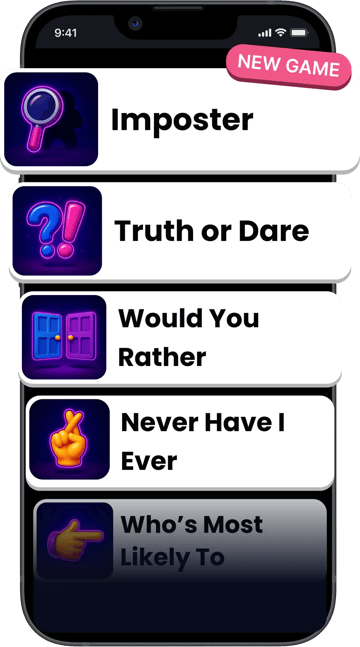
Equipment-wise, you've got three tiers. Full kit games like Beer Pong, Flip Cup, and Drunk Jenga need cups, balls, or a Jenga set. Card games like King's Cup, Pyramid, Waterfall, Ride the Bus, Red or Black, and Horse Race need just a deck. And the no-equipment tier, Truth or Dare, Never Have I Ever, Would You Rather, and Who's Most Likely To, needs nothing but drinks. Spin the Bottle nearly makes that tier too: one empty bottle is all it takes, and our spin the bottle questions guide includes a full drinking version.
Energy level is the last filter. Chill games like Red or Black and Horse Race work when you're still sober. Medium-energy games like King's Cup, Pyramid, and Truth or Dare work once people have loosened up. Wild games like Beer Pong, Flip Cup, Rage Cage, and Drunk Jenga need peak party energy to land right. The comparison table below breaks it all down at a glance.
Drinking games at a glance: comparison table
Here's every game ranked by group size, equipment, setup time, and chaos level. Scan this when you're trying to figure out what to play next and you've already had a few.
| Game | Players | Equipment | Setup time | Energy | Difficulty |
|---|---|---|---|---|---|
| Beer Pong | 2-8 | Cups, balls, table | 5 min | 🔥🔥🔥 | Easy |
| King's Cup | 4-10 | Deck of cards, center cup | 1 min | 🔥🔥 | Easy |
| Flip Cup | 4-12+ | Cups, table | 2 min | 🔥🔥🔥 | Easy |
| Pyramid | 3-10 | Deck of cards | 2 min | 🔥🔥 | Medium |
| Waterfall | 4-12 | Deck of cards | 2 min | 🔥🔥 | Medium |
| Drunk Jenga | 3-10 | Jenga set, marker | 10 min | 🔥🔥🔥 | Medium |
| Rage Cage | 4-12 | Cups, balls, table | 3 min | 🔥🔥🔥 | Medium |
| Ride the Bus | 2+ | Deck of cards | 1 min | 🔥🔥 | Medium |
| Red or Black | 2-10 | Deck of cards | 1 min | 🔥🔥 | Easy |
| Horse Race | 4-10 | Deck of cards | 3 min | 🔥🔥 | Easy |
This table is the single most useful thing in this article. Save it, screenshot it, tattoo it on your liver (please don't).
You Bring the Drinks, We Bring the Games 🍻
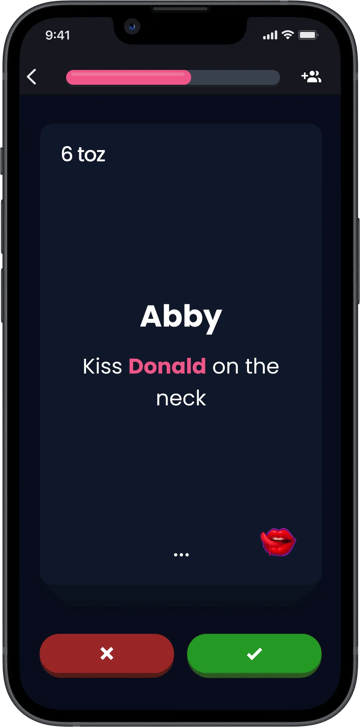
Dozens of drinking game modes in one app. Zero setup, zero cleanup, and it works even when the wifi gives up
1. Beer Pong: the universal opener

Beer Pong is the most popular party drinking game worldwide. Two teams of two stand at opposite ends of a long table, each with 10 cups arranged in a triangle. Players take turns throwing a ping-pong ball into the opposing team's cups. When a ball lands, the defending team drinks and removes the cup.
It earns the number one spot because it's got the highest cultural status of any drinking game and it scales from 1v1 up to 2v2 on the table, with extra players rotating in between games. Ideal headcount is 4 to 8 people total since teams can swap out the loser after each match. You can play it sober, you can play it after six rounds, and you can play it with strangers who just walked in. Setup is dead simple: 10 cups per side, triangle formation, and a rinse cup to keep the ball from tasting like someone's floor.
The game ends when one team eliminates all the opposing cups. Losers usually finish their remaining drinks or take a penalty shot, depending on house rules. Beer Pong is loud, competitive, and almost always the first game that gets set up at a house party. It's the reason folding tables exist.
If you want the full breakdown of shot rules, re-rack formations, and redemption rounds, check out our complete Beer Pong rules guide.
2. King's Cup: the chaos generator
King's Cup is a card-based drinking game that scales from 4 to 10 players and needs nothing more than a deck of cards and a center cup. Spread the deck in a circle around the cup, and players take turns drawing cards. Every card has a rule. Land on the wrong card and you're either drinking, making a rule, or starting a category round that ends with someone chugging.
Here's the core rule set: Ace is Waterfall, everyone starts drinking at once and you can't stop until the person before you does. 2 is You (pick someone to drink), 3 is Me (you drink), 4 is Floor (last to touch the floor drinks), 5 is Guys (guys drink), 6 is Chicks (girls drink), 7 is Heaven (last to raise their hand drinks), 8 is Mate (pick a drinking buddy), Jack makes a rule, Queen is Question Master. The Kings are where it gets brutal: each of the first three Kings pours part of their drink into the center cup, and whoever pulls the fourth King chugs the whole nightmare mix.
King's Cup earns the number two slot because it works at almost any group size, has built-in variety from card to card, and naturally escalates as the center cup fills up with whatever everyone's been drinking. The game self-regulates: early rounds are light, late rounds are brutal, and no one forgets the person who pulled the fourth King.
Every friend group tweaks the rules, so agree on your card assignments before you start or you'll spend half the game arguing. For the full list of card rules and variations, see our King's Cup rules guide.
3. Flip Cup: the team sport of pregaming

Flip Cup is a relay race where two teams of 3 to 10 line up on opposite sides of a table, each with a cup of beer. The first player on each side drinks their cup, sets it on the edge of the table, and flips it upside-down with a flick of the fingers. Once it lands upside-down, the next teammate goes. First team to flip all their cups wins.
It earns number three because it scales bigger than Beer Pong, has a lower skill ceiling so anyone can play, and delivers the fastest dopamine hit per minute of any drinking game on this list. Flip Cup is loud, competitive, and over in under two minutes if both teams are decent. Rounds go fast, so you can run a best-of-three or set up a bracket if you've got enough people.
The game works best with 6 to 12 players, but you can stretch it to 20 if you've got a long enough table. It's the team-building exercise your college orientation should've included. For setup tips, house rules, and advanced flip techniques that absolutely do not matter but people will argue about anyway, read our Flip Cup rules guide.
4. Pyramid: memory, bluffing, and friendship damage
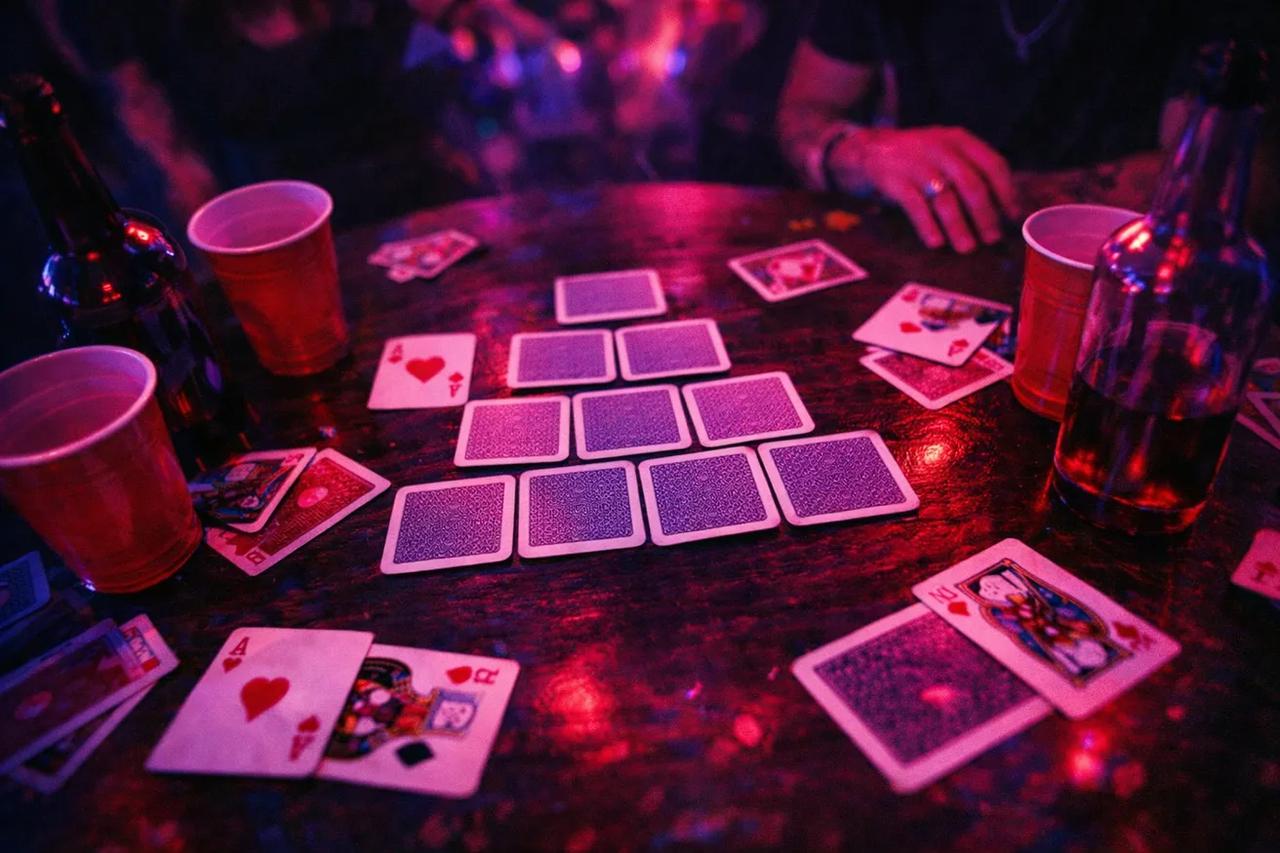
Pyramid is a card game that mixes memory and bluffing. Deal 4 cards face-down to each player, then build a pyramid with 15 cards: 5 on the bottom row, then 4, 3, 2, and 1 on top. Players get one look at their cards before placing them face-down. The dealer flips pyramid cards row by row, starting from the bottom. If you have a matching card in your hand, you can assign drinks to another player. Or you can bluff about having a match.
Here's where it gets good: your target can accept the drinks, or they can call your bluff. If you had the card, they drink double. If you were bluffing, you drink double. Penalties escalate as you climb the pyramid: 1 sip on the bottom row, 2 on the second, 3 on the third, 4 on the fourth, and finish your drink on the top card. A successful bluff on the top row can wreck someone's night.
Pyramid is the drinking game equivalent of poker: it rewards memory, punishes overconfidence, and turns friends into enemies for about 20 minutes. It scales from 3 to 10 players with the sweet spot at 4 to 6, takes two minutes to set up, and pairs perfectly with the kind of trash talk that ends with someone saying "I swear I had it." For the full card layout, bluff mechanics, and penalty tiers, check out our complete Pyramid rules guide.
5. Waterfall: King's Cup's faster cousin
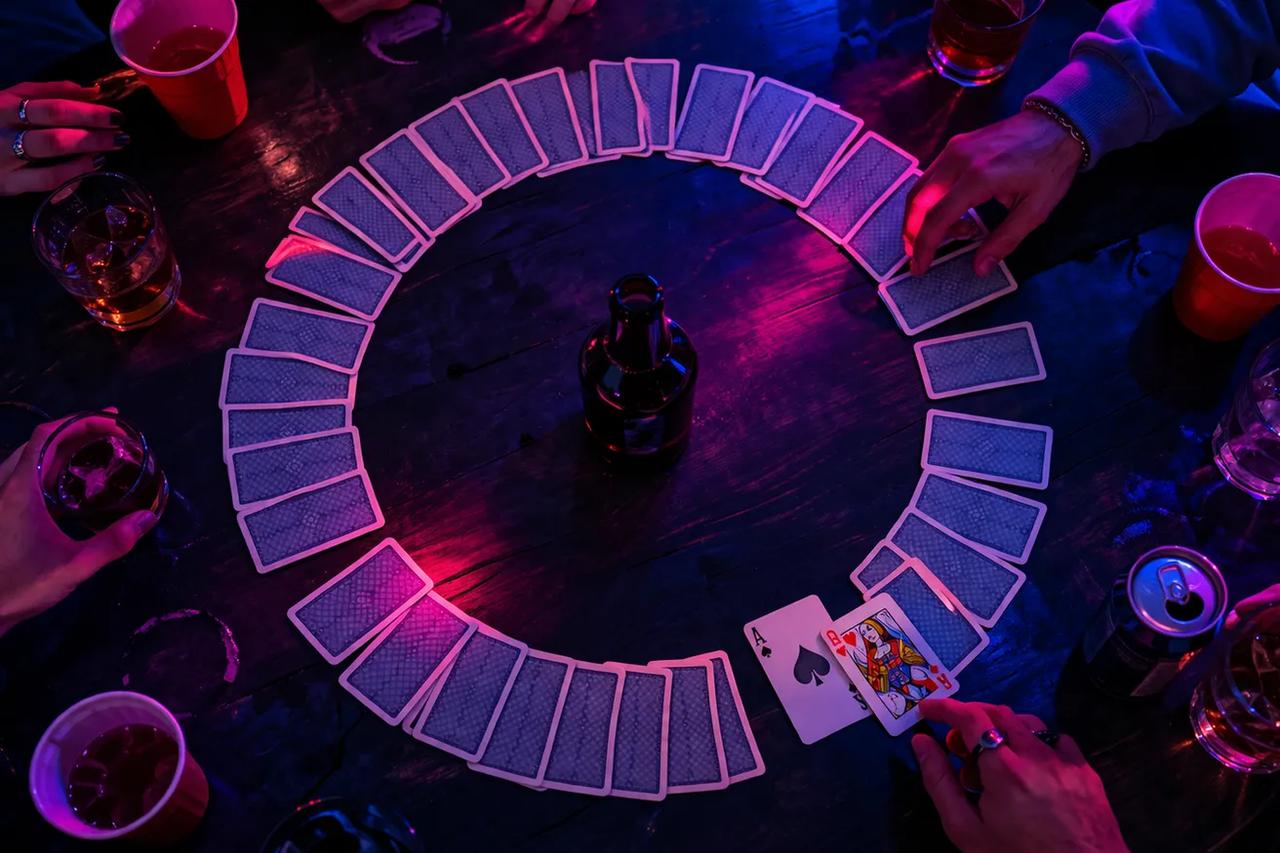
Waterfall is a card-based circle game for 4 to 12 players that uses a standard 52-card deck and nothing else. Spread the cards face-down in a circle on the table, and players take turns drawing one card at a time. Every card triggers a rule, from "pick someone to drink" on the 2 to game-wide rule-making on the Jack. No center cup, no setup beyond a shuffle.
The game gets its name from the Ace. When someone draws an Ace, every player starts drinking at the same time, and you can only stop after the person before you stops. If you're fourth in the chain, you're stuck drinking until the three players ahead of you call it. The cascade is brutal, hilarious, and the reason the game has its name.
Waterfall is basically King's Cup stripped down. Same card rules for most numbers, same Queen "Question Master" and Jack "Rule Master" mechanics, but no communal cup to chug at the end. That makes it faster and easier to learn, which is why it works well as a mid-party headliner once people know the rules. Expect 20 to 40 minutes per round depending on group size.
Agree on the card rule list before you start or you'll spend half the game arguing about whether 7 means "Heaven" or something else. For the full rule chart, variations like Reverse Waterfall and Themed Waterfall, and the breakdown of how it differs from King's Cup, see our Waterfall drinking game rules guide.
6. Drunk Jenga: the game that gets harder as you get worse

Drunk Jenga takes a standard Jenga set and adds drinking rules. Before the game starts, write a rule on every block with a marker. Players take turns pulling a block, reading the rule, doing what it says, and placing the block on top of the tower. When the tower collapses, the player who caused it finishes their drink or completes a group-chosen punishment.
Example block prompts: "Drink 2 sips," "Pick someone to drink," "Truth or finish your drink," "Skip your next turn," "All guys drink," "All girls drink," "Free pass, save for later," "Swap drinks with the player to your left," "Finish your drink if you've ever hooked up with an ex's friend." You can make the rules as tame or as brutal as your group tolerates.
Drunk Jenga earns number six because it has high replay value, it's fully customizable, it scales from 3 to 10 players, and it works as an icebreaker at parties where people don't know each other yet. The Jenga tower is also a great visual timer: when it collapses, it's time to move to the next game. For 50 more block ideas and setup tips, check out our Drunk Jenga rules and block ideas guide.
7. Rage Cage: the speed game with no losers

Rage Cage is a circle game played with a cluster of 20 to 30 cups in the middle of a round table, two ping-pong balls, and 4 to 12 players. Each cup is filled about one-third with beer, and one center cup is filled to the brim as the "Death Cup". Two players start on opposite sides, each grabs a cup, drinks the contents, and tries to bounce the ball into the now-empty cup. Make the bounce and you pass the cup and ball clockwise to the next player.
Here's the chaos: if you make your shot while the player ahead of you (clockwise) is still bouncing, you stack your cup on top of theirs. The stacked player has to grab a fresh cup from the center, drink it, and start bouncing all over again. The stack keeps growing if they get caught again. The game ends when all the center cups are gone, and whoever ends up with the Death Cup chugs the full one.
Rage Cage is the "wait, why am I drinking again?" experience. It's fast, loud, and punishes hesitation. It's also one of the few drinking games where being good at it means you drink less, which makes it a solid choice for mixed skill levels. For full setup, ball-passing rules, and strategies that absolutely won't help you when you're three cups deep, read our Rage Cage rules guide.
8. Ride the Bus: the comeback nobody wants
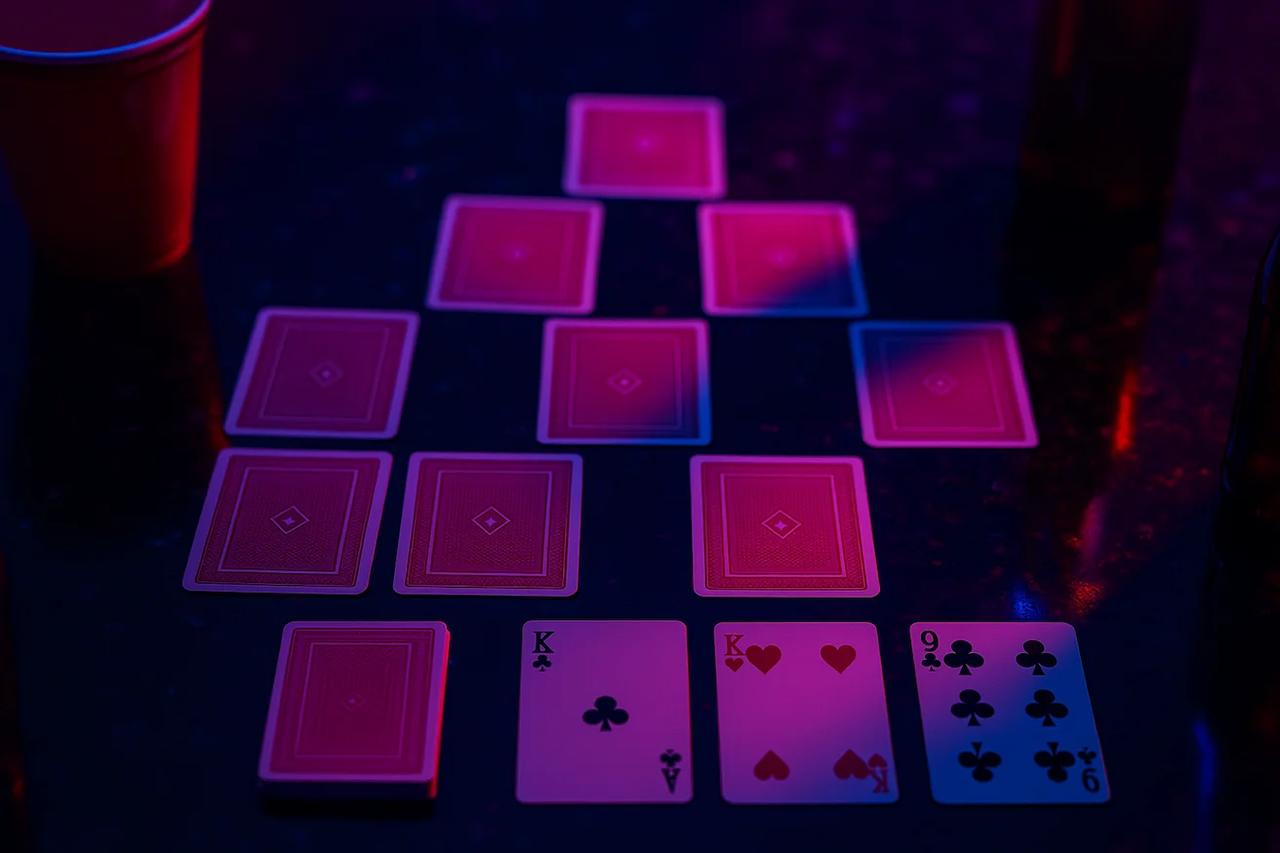
Ride the Bus is a three-phase card game for 2 or more players. Phase one is four question rounds where each player gets dealt four cards: red or black, higher or lower than the first card, in between or outside the first two, and finally guess the suit. Wrong guess = drink. Nail the suit = give out 5 sips. Phase two is the pyramid: 15 cards face-down in a 5-4-3-2-1 layout, flipped one row at a time, and players assign drinks based on matches in their hand (1 sip at the bottom, up to 5 at the top).
Phase three is where someone suffers. Whoever has the most cards left in hand after the pyramid has to ride the bus. The dealer lays out 10 face-down cards, and you guess red/black/higher/lower on each one. Every wrong guess means you drink and the whole row restarts from the top. It's brutal. People get stuck on the bus for 5 to 10 minutes while everyone else watches and roasts them.
Ride the Bus is the drinking game that teaches you probability doesn't care about your confidence. It's also the game where the phrase "I swear it's red" has destroyed the most livers. For the full three-phase breakdown, pyramid penalties, and bus mechanics, check out our Ride the Bus rules guide.
9. Red or Black: the lucky one's game
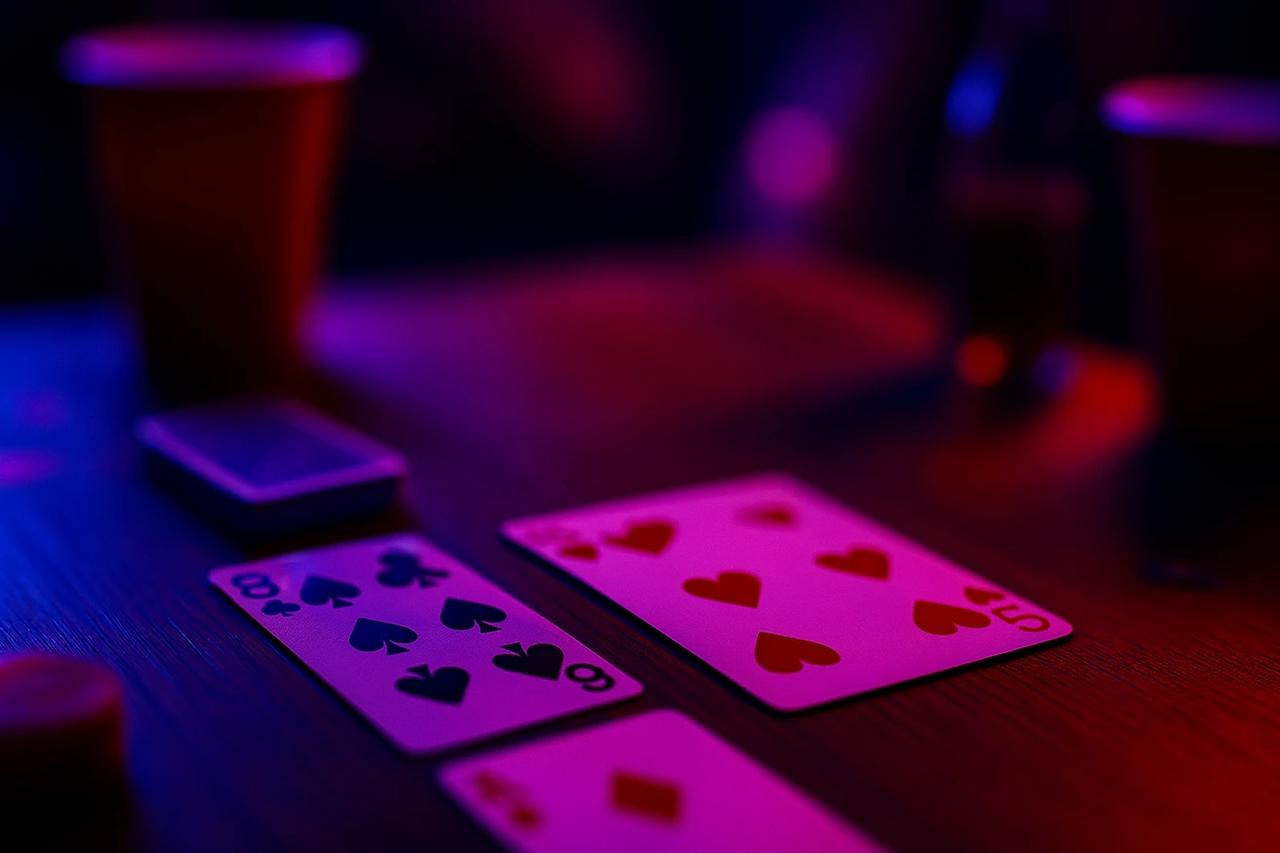
Red or Black is a card-based guessing game for 2 to 10 players. The active player predicts what the next card off the deck will be. On the first card, you call "red", "black", or "purple". Purple is the risky bet: you're predicting the next two cards will be different colors. From the second card onward, you can also call "higher" or "lower" than your previous card. Each correct guess stacks the card in front of you and you keep going. After three correct calls, you can pass the turn.
The stakes escalate fast. Get one wrong and you drink as many sips as cards you've stacked. Miss on the fifth card and you're drinking five. The game rewards knowing when to stop: bank your run after three and pass it on, or push your luck and play kamikaze. Most people try for the hero run and regret it within seconds.
Red or Black is pure luck with a thin layer of probability on top. It's the slot machine of drinking games. It works well as a warm-up game before Beer Pong or King's Cup because setup is instant and you can play it while people are still arriving. For rule variations like Extra Hard mode (5 correct guesses to pass), Trap Cards, and Magic Cards, see our Red or Black rules guide.
10. Horse Race: turn your couch into a racetrack
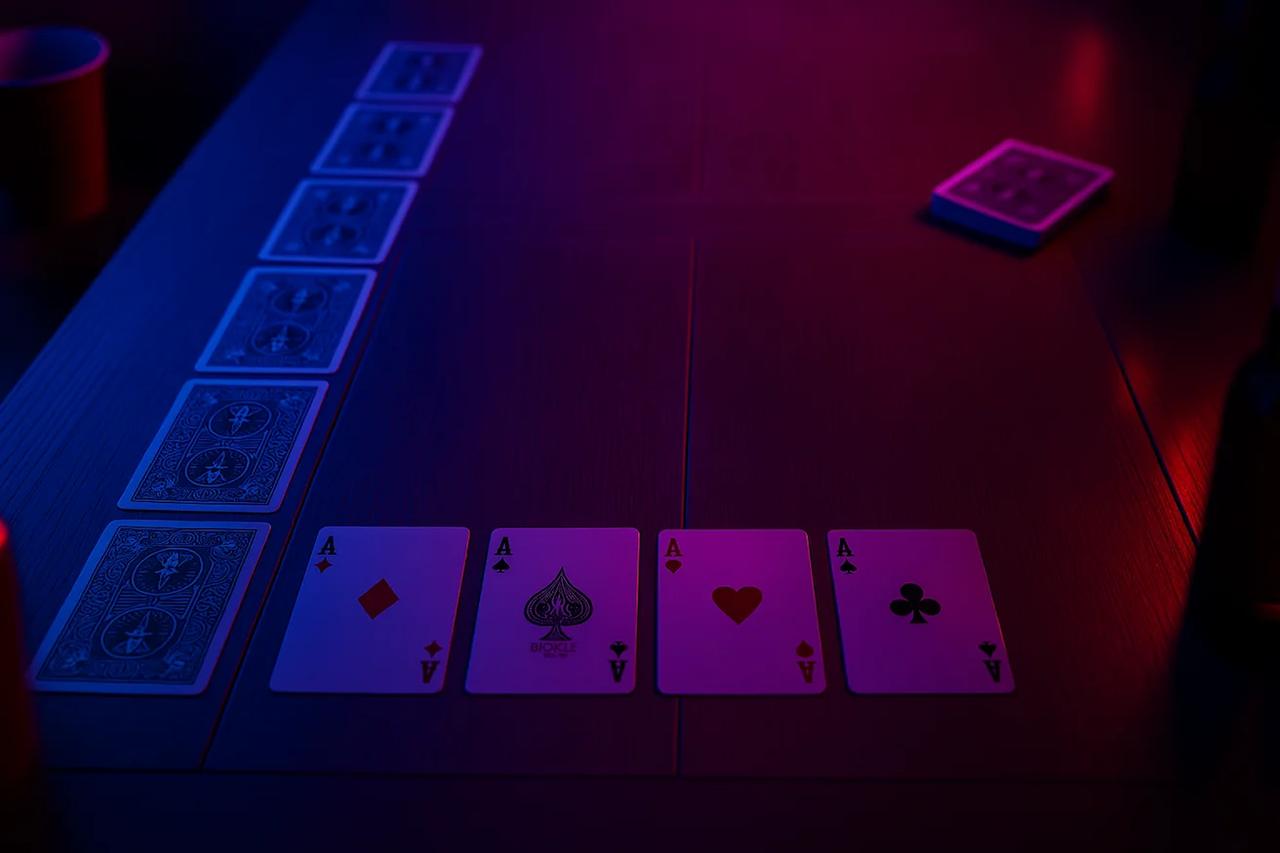
Horse Race is a card-based betting game for 4 to 10 players. Pull the four Kings from the deck and line them up horizontally at one end of the table to form the starting line. Those are the horses, one for each suit: Spades, Hearts, Diamonds, Clubs. Then shuffle the rest of the deck and lay out 7 cards face-down in a vertical column perpendicular to the Kings, forming an L-shape. That's the track. Each player bets drinks on the horse (suit) they think will win.
The dealer flips cards from the remaining deck one by one. When a card matches a suit, that horse advances one space up the track. Here's the twist: once all four horses have passed a track card, that face-down card gets flipped. If its suit matches a horse, that horse retreats one space, no matter where it sits in the rankings. First horse to cross the final stage wins. Players who bet on the winner distribute their wagered sips to losers. Losers drink what they wagered.
Horse Race is the game for people who want to gamble without losing money. It's also slow enough that you can play it after midnight when half the room is too drunk for Beer Pong but not ready to call it a night. The track cards add just enough chaos that the favorite doesn't always win. For betting strategies, extended-track variations, and bonus card formats, read our Horse Race rules guide.
Drinking games without cards or cups: the no-equipment heroes
These four games need nothing but drinks. They're question-based, they scale from 3 to 20 players, and they work in any setting where you don't have cards or cups handy. They're the reason road trips and bar nights turn into memorable disasters.
Truth or Dare is the party classic with a boozy twist. When it's your turn, you pick Truth or Dare. Truth means you answer an embarrassing question. Dare means you do something stupid. Refuse either one and you drink. As the night goes on and inhibitions drop, the questions and dares get progressively worse. It's the game that reveals who hooked up with their friend's ex and who's secretly afraid of commitment. For 200 ready-to-use questions and dares organized by spice level, check out our Truth or Dare questions.
Play Truth or Dare online! Try our online version to get the party going!
Play onlineNever Have I Ever is the confession game that destroys friendships. One player says "Never have I ever..." followed by an action. Anyone who has done that action drinks. The game starts tame and ends with someone admitting they've thrown up in an Uber or hooked up in a library. For 180 questions that range from wholesome to unhinged, see our Never Have I Ever questions guide.
Would You Rather is the ultimate dilemma game. Players are given two bad options and have to pick one. Refuse to choose and you take a shot. The game works best when both options are equally terrible: "Would you rather kiss the least attractive person at the party or take three shots in a row?" There's no right answer, just regrets and alcohol. For 180 questions that'll make you rethink your life choices, check out our Would You Rather questions guide.
Who's Most Likely To is the group voting game that reveals who's the worst friend. Someone reads a question: "Who's most likely to cheat on their partner for a million dollars?" Everyone points at the person who best fits the question. The person with the most votes drinks. It's always the same friend getting singled out. No wonder they're getting grumpy. For 180 questions that'll test your friendships, read our Who's Most Likely To questions guide.
Bonus mention: Truth or Drink is the punchier sibling of Truth or Dare. No dare-or-drink mechanic, just brutal questions. Answer the question or take a drink. The game gets uncomfortably honest around round three. For 150 questions organized by topic and intensity, see our Truth or Drink article.
How to keep a party going: when to play what
The best house parties cycle through three phases, and the game you choose should match the energy in the room. Start with openers in the first 30 minutes while people are still arriving. These are low-stakes, no-skill games that don't punish latecomers: Red or Black, Who's Most Likely To, and Never Have I Ever all work here. You're not trying to get people drunk yet, you're trying to get them talking.
Peak phase is 1 to 3 hours in, when everyone's loosened up and the room is loud. This is when you break out the headliners that need attention and energy: Beer Pong, Flip Cup, King's Cup, Waterfall, Pyramid, and Drunk Jenga. These games are competitive, involve teams or direct challenges, and generate the kind of noise that makes neighbors call the cops. Peak phase is the reason people came to your party.
Late night is after midnight, when half the room is sitting on the floor and vibes get weird. Switch to the slow-burners that escalate without requiring coordination: Truth or Dare, Never Have I Ever, Horse Race, and Ride the Bus. These games are conversational, don't need sharp reflexes, and keep people engaged without demanding they stand up or aim at things.
The key is matching the game to the energy, not forcing the energy to match the game. Beer Pong at 8 PM with four sober people is awkward. Truth or Dare at 11 PM with 15 drunk people is chaos. Read the room, adjust accordingly, and you'll never have a dead party.
Drink responsibly: the part we have to say
Alcohol is fun until it's not. Hydrate between rounds, never pressure anyone to drink against their will, and allow water or soda substitutions for people who don't want alcohol. Know your limit and stop before you hit it, because nobody likes being the person who ruins the vibe by throwing up in the sink.
Never let anyone drive after drinking. Call a rideshare, sleep on the couch, or take the keys. It's not worth it. And if someone's clearly over their limit, stop handing them drinks and get them water instead. You're not a buzzkill, you're the reason everyone makes it home safe.
Any of these games works just as well with sparkling water, mocktails, or soda. The fun is in the game, not the alcohol.
Ready to level up your party?
You've got 10 drinking games that scale to any group size, work with or without equipment, and keep the energy right from first drink to last call. Whether you're playing Beer Pong at 9 PM or Truth or Dare at 2 AM, you've got the full toolkit now. TOZ to access every game, question list, and timer in one place.
Frequently Asked Questions
What is the most popular drinking game for parties?
Beer Pong is the most popular party drinking game worldwide. Two teams of two throw ping-pong balls into the opposing team's 10 cups; when a ball lands, the defending team drinks and removes the cup. The first team to eliminate all cups wins. It plays 1v1 or 2v2 on the table and works for groups of 4 to 8 with teams rotating between games.
What is the best drinking game for a big group of 8 or more?
Flip Cup, Rage Cage, and Drunk Jenga are the best games for groups of 8 or more because they scale up without slowing down. Flip Cup runs in teams of 4 to 6 a side, Rage Cage works with 8 to 12 players passing cups around a circle, and Drunk Jenga handles any group that can fit around a coffee table.
What drinking games can you play with just a deck of cards?
King's Cup, Pyramid, Waterfall, Ride the Bus, Red or Black, and Horse Race all need nothing more than a standard 52-card deck. King's Cup also needs a central cup. They're the most portable drinking games, work in any setting, and scale from 3 to 10 players without setup time.
What are good drinking games with no equipment at all?
Truth or Dare, Never Have I Ever, Would You Rather, and Who's Most Likely To require no equipment beyond drinks. They're question-based games where refusing to answer or being singled out triggers a sip. They're perfect for road trips, bars, and parties where you don't have cards or cups handy.
What's the best drinking game for a small group of 3 or 4?
Beer Pong (1v1 or 2v2), Red or Black, and Ride the Bus are the best small-group drinking games. They reward focused attention from each player and don't lose intensity at lower headcounts. Avoid Flip Cup and Rage Cage with small groups, since they need teams or circles to work.
How do you keep a drinking game from getting out of hand?
Match the game to the energy in the room, not the other way around. Start with low-stakes openers like Waterfall or Red or Black, move to peak games like Beer Pong or King's Cup once everyone's loosened up, and switch to slower games like Horse Race or Truth or Dare late in the night. Always allow water or soda substitutions and stop anyone who's clearly over their limit.
Recommended Articles
Waterfall Drinking Game: Rules, Cards & How to Play
Waterfall drinking game rules explained step by step. Learn the card rules, setup, variations, and how Waterfall differs from King's Cup. Play with friends tonight.
Drunk Jenga: Rules, Block Ideas & How to Play
Drunk Jenga rules explained with 54 block ideas for your next party. Learn how to set up, play, and customize the jenga drinking game for 3-10 players.

Truth or Drink: 150 Questions & Complete Rules for Your Next Party
Truth or Drink is the ultimate adult party game. Learn the rules, get pro tips, and browse 150 creative questions for friends, couples and wild nights out.