
Pyramid Drinking Game: Rules, Setup & How to Play
 Redacted by Adrien Blanc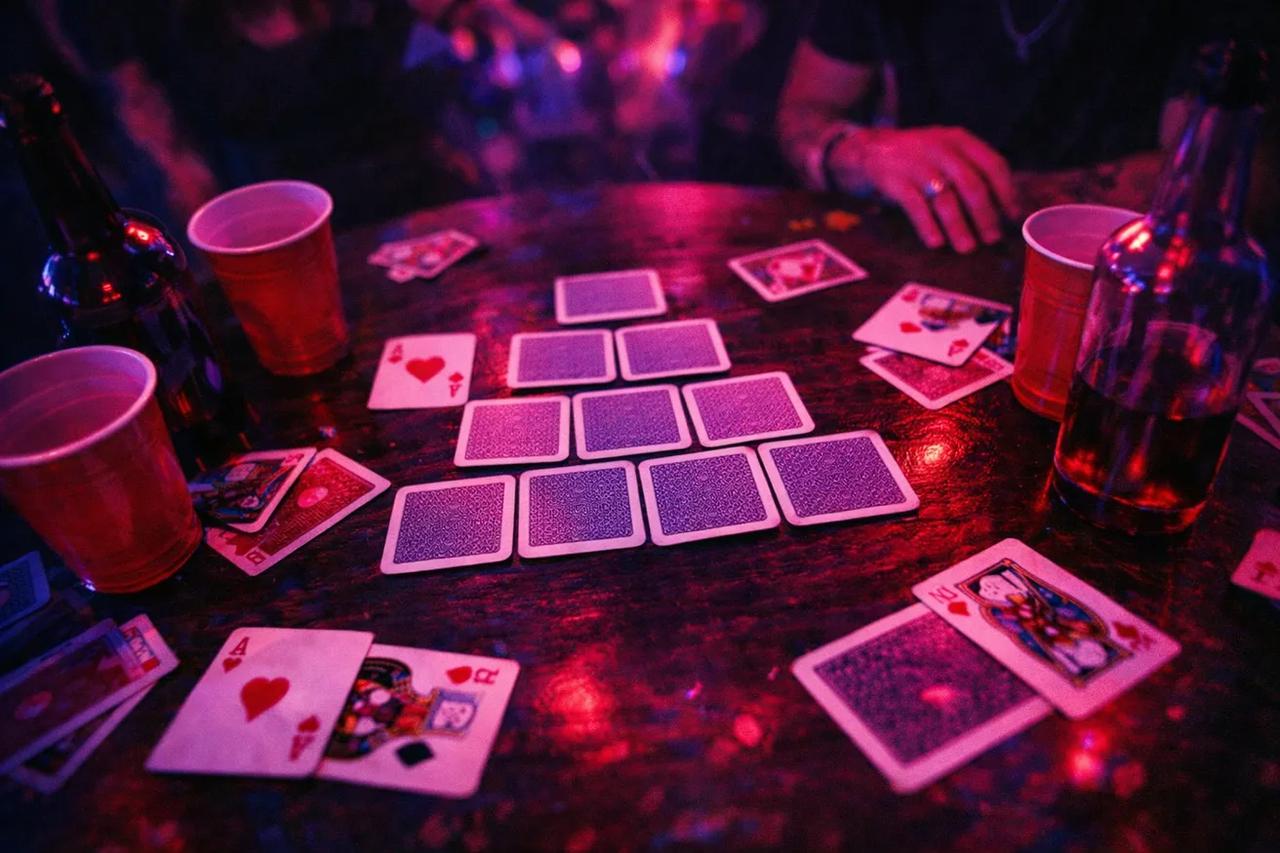
Pyramid is the drinking game where a good poker face matters more than your cards. It's a bluffing and memory card game that works for groups of 3-10 people, turning what could be a simple matching game into social chaos. Whether you call it Pyramid, Beeramid, or Bullshit Pyramid, the rules stay the same. You'll get a handful of cards, watch a pyramid get flipped row by row, and either call your matches honestly or bluff your way to victory.
This guide breaks down everything you need: setup, rules, bluffing strategy, and fun variations to keep things fresh.
Alcohol abuse is dangerous for your health. Please drink responsibly.
What Is the Pyramid Drinking Game?
The Pyramid drinking game is a card-based drinking game where players match their hand to a revealed pyramid of cards and assign drinks. Or they bluff about it. Honestly, the bluffing is what makes this game fun. It's been a college party staple for years, and the name Beeramid has stuck around for obvious reasons. Unlike King's Cup, which relies on card-specific rules, Pyramid is all about reading your opponents and deciding when to call their BS.
What makes it work? Simple mechanics with a social twist. You're not just playing cards. You're testing how well you know your friends and whether they're brave enough to lie to your face.
What You Need to Play
You don't need much to get started. Here's the list:
- 1 standard 52-card deck (jokers removed)
- 3-10 players (sweet spot: 4-6)
- Drinks for everyone
- A flat table with room for the pyramid layout
- Optional: a phone timer for speed rounds
That's it. No fancy equipment, no complicated setup. Just cards, drinks, and a group ready to call each other out.
How to Set Up the Pyramid
Setting up the pyramid is straightforward. Here's how it works:
- Choose a dealer. They'll handle the setup and card flipping.
- Deal 4 cards face-down to each player.
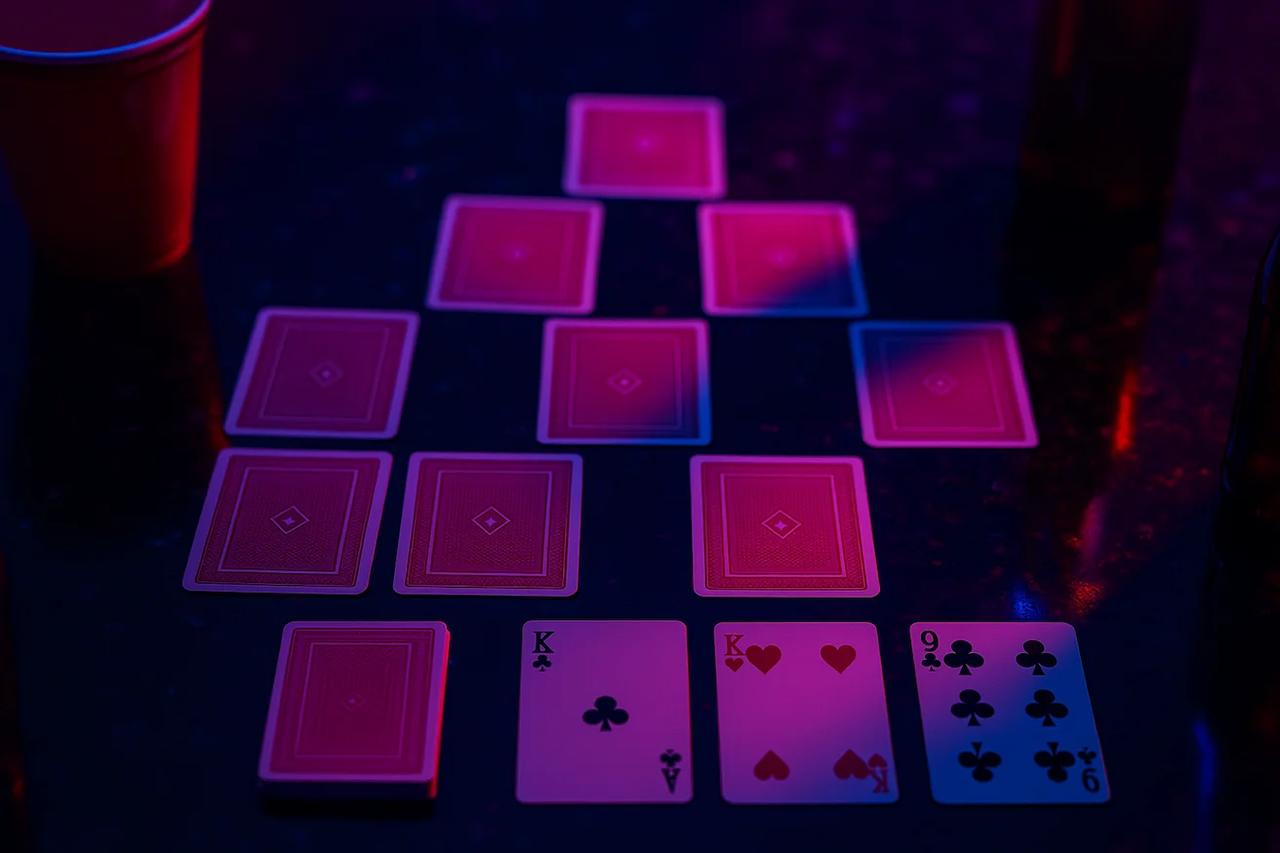
- Build the pyramid using the remaining cards: 5 cards on the bottom row, then 4, 3, 2, and 1 on top (15 cards total).
- Players get ONE look at their cards, then place them face-down in a line in front of them.
Here's the layout:
        🂠
       🂠 🂠
      🂠 🂠 🂠
     🂠 🂠 🂠 🂠
    🂠 🂠 🂠 🂠 🂠
The memory element is what makes Pyramid tricky. Once you've looked at your cards, you can't peek again. You'll need to remember what you have while the dealer flips through the pyramid. If you forget, you're either drinking or missing out on chances to assign drinks.
How to Play Pyramid - The Rules
The game unfolds row by row, starting from the bottom. The dealer flips cards left to right, and after each flip, any player can claim a match and assign drinks to someone. Penalties increase as you move up the pyramid, which is why the top rows get intense. Here's the full breakdown:
The dealer flips cards one at a time, starting with the bottom row. After each flip, players can claim they have a matching card in their hand. If you claim a match, you assign drinks to someone based on the row's penalty level. The targeted player can accept the drinks or call bullshit. If they call bullshit and you were telling the truth, flip your card to prove it. They drink double. If they call bullshit and you were bluffing, you drink double. Multiple matches are allowed. If you hold two cards of the same value, you can assign drinks twice when that card gets flipped. The game ends when all 15 pyramid cards are revealed.
Here's the penalty structure:
| Row | Cards | Drinks Assigned |
|---|---|---|
| Bottom (row 1) | 5 | 1 drink |
| Row 2 | 4 | 2 drinks |
| Row 3 | 3 | 3 drinks |
| Row 4 | 2 | 4 drinks |
| Top (row 5) | 1 | Finish your drink |
The escalating penalties are what make the game exciting. Bottom row mistakes are cheap. Top row bluffs? Those can backfire hard.
How Do You Win at Pyramid with Bluffing Strategy?
Bluffing separates the rookies from the pros. You don't need great cards to dominate Pyramid. You just need timing and nerve. Bluff early on the bottom rows when penalties are low. This builds a reputation that makes your top-row bluffs scarier because people won't know whether to trust you. Target the same person twice in a round. It makes them second-guess themselves and hesitate before calling BS. Save your real cards for the top rows where the payoff is biggest. A legit match on row 4 or 5 can swing the game.
Read body language. Hesitation before calling BS often means they're unsure. That's your opening. Try the reverse bluff: show a real card on a low row to build trust, then bluff hard on rows 4 or 5 when the stakes are higher. The key is mixing truth and lies so your opponents can't predict your moves. If you're always honest, people will call you out when you finally do bluff. If you bluff too much, they'll challenge everything and you'll drink yourself under the table.
Common Disputes and How to Settle Them
Every group runs into these questions. Here's how to settle them without killing the vibe:
Can you claim a match after someone else already did on the same card? Yes. Multiple players can claim the same card if they have it in their hand. It's not first-come, first-served.
What if two people call BS on the same bluff? Both drink double if the claimer was honest. Both get to celebrate if the claimer was lying.
Can you assign drinks to the dealer? Yes. The dealer is fair game just like everyone else.
What happens if you flip the wrong card when challenged? You drink double. Flipping the wrong card means you were effectively caught bluffing, whether you meant to or not.
Can you look at your cards again mid-game? No. That defeats the memory challenge. If you forget what you're holding, you're out of luck.
These rules keep arguments short and the game moving. The last thing you want is a 10-minute debate over whether someone can look at their cards again.
Pyramid Drinking Game Variations
Standard Pyramid is great, but variations keep things fresh. Here are a few that change the pace.
Extended Pyramid (6 Rows)
Use a 6-5-4-3-2-1 formation (21 cards total). Deal 5-6 cards per player instead of 4. The extra row means higher penalties and more bluffing opportunities. This version works best for larger groups where you want the game to last a bit longer.
F*** You Pyramid
Speed variant: the dealer flips cards with a 5-second countdown. Players must slam down matching cards before time runs out. No bluffing allowed in this version because there's no time for challenges. It's faster, louder, and way more chaotic. Perfect for when your group is already a few drinks in.
Reverse Pyramid
Start from the top (high penalties) and work down. The tension curve gets inverted. You open with intense 5-drink rounds and coast toward the finish with low-stakes flips. It's a fun twist if your group is tired of the standard buildup.
Diamond of Death
Diamond-shaped layout instead of a pyramid. Same bluffing rules, but penalties are doubled across the board. Not for the faint-hearted. This version separates people who can handle their drinks from those who definitely cannot.
When Should You Play the Pyramid Drinking Game?
Pyramid fits a bunch of occasions. It's quick to learn, doesn't need much equipment, and scales to different group sizes. Here's when it works best:
Pre-game or pregame sessions. Rounds are quick (10-15 minutes), so you can knock out a few games before heading out. House parties with 3-10 players. You only need a deck of cards and some drinks. Game nights when you want something more strategic than King's Cup but not as complex as Ride the Bus. Camping or trips where you're limited on equipment. A deck of cards fits anywhere.
Group size matters. Pyramid technically works with 3 players, but it's way better with 4-6. That's the sweet spot for keeping rounds fast and giving everyone enough bluffing opportunities. You can stretch it to 10 players with the extended pyramid variation, but anything beyond that and the game slows down too much.
If you're looking for more drinking games for parties, Pyramid is a solid choice. It's right up there with Red or Black and the Horse Race drinking game for quick, card-based party games that don't overstay their welcome.
All the Drinking Games, No Deck Needed 🍻
King's Cup, Horse Race, and 11 more games right on your phone. No cards, no setup, works offline
Frequently Asked Questions
How do you play the pyramid drinking game?
Deal 4 cards to each player, build a 5-row face-down pyramid, then flip cards row by row. Players claim matches to assign drinks, or bluff about having a match. Other players can call bullshit, doubling the penalty for whoever was wrong.
How many players do you need for the pyramid drinking game?
Pyramid works with 3-10 players. The sweet spot is 4-6 players, which keeps rounds fast and gives everyone enough bluffing opportunities without long waits between turns.
What is the difference between Pyramid and Beeramid?
They're the same game. Beeramid is a common nickname for the Pyramid drinking game, a pun on beer and pyramid. The rules are identical regardless of which name your group uses.
How long does a game of Pyramid take?
A standard round of Pyramid takes about 10-15 minutes. With extended pyramid variations (6 rows) or larger groups, games can stretch to 20 minutes. Most groups play multiple rounds.
Can you bluff in the pyramid drinking game?
Bluffing is the core mechanic. You can claim to have a matching card whether you do or not. If no one calls your bluff, the target drinks. If someone calls BS and you were lying, you drink double the row's penalty.
What's the penalty structure in pyramid drinking game?
Drinks increase by row: 1 drink for the bottom row (5 cards), 2 for the second, 3 for the third, 4 for the fourth, and 5 drinks for the single top card. Penalties double if a bullshit call goes wrong.
Recommended Articles

King's Cup: Complete Party Drinking Game Rules & Guide
Learn how to play King's Cup, the ultimate party drinking game! Discover card rules, variations like Ring of Fire, and everything you need for this classic drinking game that's perfect for parties and gatherings.
Ride the Bus Drinking Game Rules: Complete Party Guide
Learn how to play Ride the Bus, the ultimate card-based drinking game perfect for parties. Includes detailed rules for all 3 rounds, gameplay tips, and variations for 2+ players.

Fuck the Dealer: Rules & How to Play the Drinking Game
Learn how to play Fuck the Dealer, the classic card drinking game. Complete rules, strategy tips, popular variations, and everything you need for your next party.